
In modern industrial systems, controlling pressure accurately is not optional—it is essential. From refrigeration and HVAC systems to gas pipelines, medical devices, and manufacturing equipment, pressure stability directly affects safety, efficiency, and product quality. This is where a pressure regulator becomes a critical component. In this comprehensive guide, we will explore what a pressure regulator is, how it works, the different types available, how to select the right model, and why it plays such a vital role in automated control systems. Drawing on real-world engineering experience and industry standards, this article is designed to meet Google’s EEAT principles while serving as a reliable reference for engineers, buyers, and system designers.
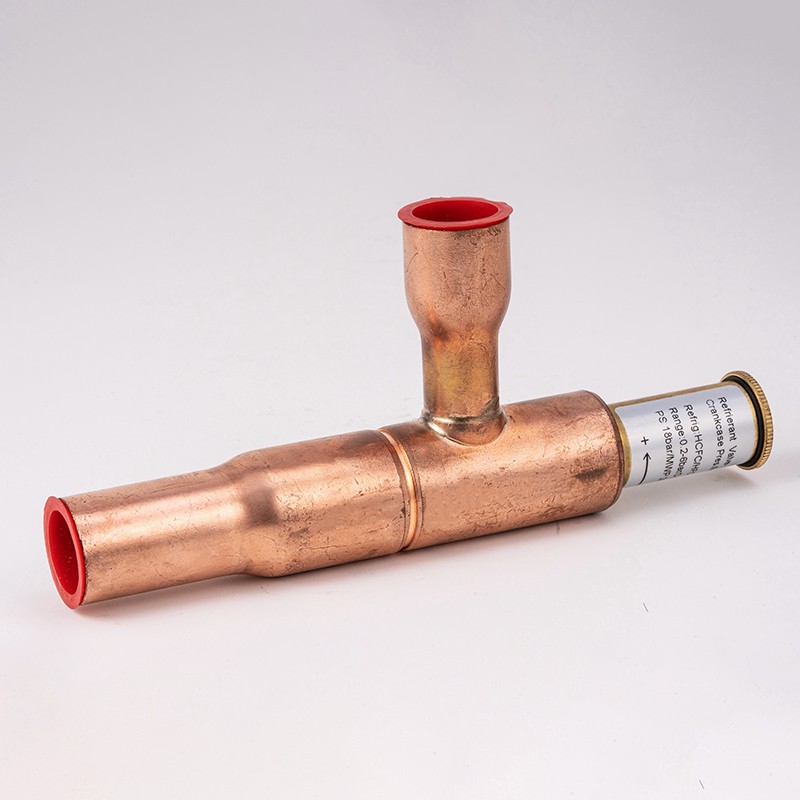
This article provides a complete technical and practical overview of pressure regulators, covering working principles, classifications, performance parameters, applications, selection criteria, maintenance practices, and compliance standards. It also highlights the role of Ningbo Sanheng Refrigeration Automatic Control Components Co., Ltd. in delivering reliable pressure control solutions for global industries.
A pressure regulator is a mechanical or electromechanical device designed to automatically control and maintain a constant outlet pressure, regardless of fluctuations in inlet pressure or variations in flow demand. It reduces high upstream pressure to a stable, usable downstream level.
Pressure regulators are widely used in gas, liquid, steam, and refrigerant systems. Their core purpose is to protect downstream components, improve process stability, and ensure safe operation under varying conditions.
A typical pressure regulator operates based on force balance. It consists of a sensing element (such as a diaphragm or piston), a control spring, and a valve mechanism.
This continuous self-adjusting process ensures precise and stable pressure control without external power in most mechanical designs.
The importance of a pressure regulator lies in its ability to safeguard systems and optimize performance.
In industries such as refrigeration and HVAC, pressure instability can directly lead to system failure, making high-quality regulators indispensable.
Pressure regulators can be categorized based on design, function, and application.
| Type | Description | Typical Applications |
|---|---|---|
| Single-Stage Regulator | Reduces pressure in one step | General industrial systems |
| Two-Stage Regulator | Provides higher accuracy via two-step reduction | Laboratory and precision gas systems |
| Diaphragm Regulator | Uses flexible diaphragm for sensitive control | Low-pressure and clean media |
| Piston Regulator | Handles higher pressures and flows | Industrial gas and refrigeration |
Understanding technical parameters is crucial when evaluating a pressure regulator.
Manufacturers like Ningbo Sanheng Refrigeration Automatic Control Components Co., Ltd. design regulators with optimized parameter balance to meet demanding refrigeration and automation requirements.
Pressure regulators are integral to numerous industries:
In refrigeration systems, regulators help maintain evaporator pressure, directly influencing cooling efficiency and system reliability.
Selecting the right pressure regulator requires a systematic approach.
For specialized applications, consulting experienced manufacturers and engineers is highly recommended.
Proper maintenance ensures long-term reliability and accuracy.
Preventive maintenance significantly reduces unexpected downtime and safety risks.
What is the main function of a pressure regulator?
The main function of a pressure regulator is to reduce and maintain a stable downstream pressure regardless of inlet pressure fluctuations.
How does a pressure regulator differ from a pressure relief valve?
A pressure regulator controls operating pressure continuously, while a relief valve only activates when pressure exceeds a safety limit.
Why is pressure regulator accuracy important in refrigeration systems?
Accuracy ensures consistent evaporator pressure, which directly affects cooling efficiency, energy consumption, and system lifespan.
Which pressure regulator type is best for high-pressure applications?
Piston-type pressure regulators are generally better suited for high-pressure and high-flow applications.
How often should a pressure regulator be serviced?
Service intervals depend on operating conditions, but annual inspection is recommended for most industrial systems.
As pressure control becomes increasingly critical in automated and energy-efficient systems, choosing a reliable and well-engineered pressure regulator is a strategic decision. If you are looking for proven solutions backed by manufacturing expertise and industry knowledge, Ningbo Sanheng Refrigeration Automatic Control Components Co., Ltd. is ready to support your project. For technical consultation, customized solutions, or quotations, contact us today and let our experts help you achieve stable and efficient pressure control.


