
Electronic Expansion Valves (EEVs) are transforming the way modern refrigeration and HVAC systems manage refrigerant flow and energy efficiency. Compared with traditional thermostatic expansion valves, electronic expansion valves provide precise control, improved system stability, and enhanced energy savings. In today’s highly automated refrigeration and air-conditioning systems, they play a crucial role in optimizing performance and ensuring reliable operation.
This comprehensive guide explores the working principles, advantages, and real-world applications of Electronic Expansion Valves. You will learn how these valves improve refrigeration efficiency, how they compare with traditional expansion devices, and why leading manufacturers such as SANHENG are investing in advanced EEV technologies. The article also provides practical selection tips, a comparison table, and frequently asked questions to help engineers, technicians, and procurement professionals make informed decisions.
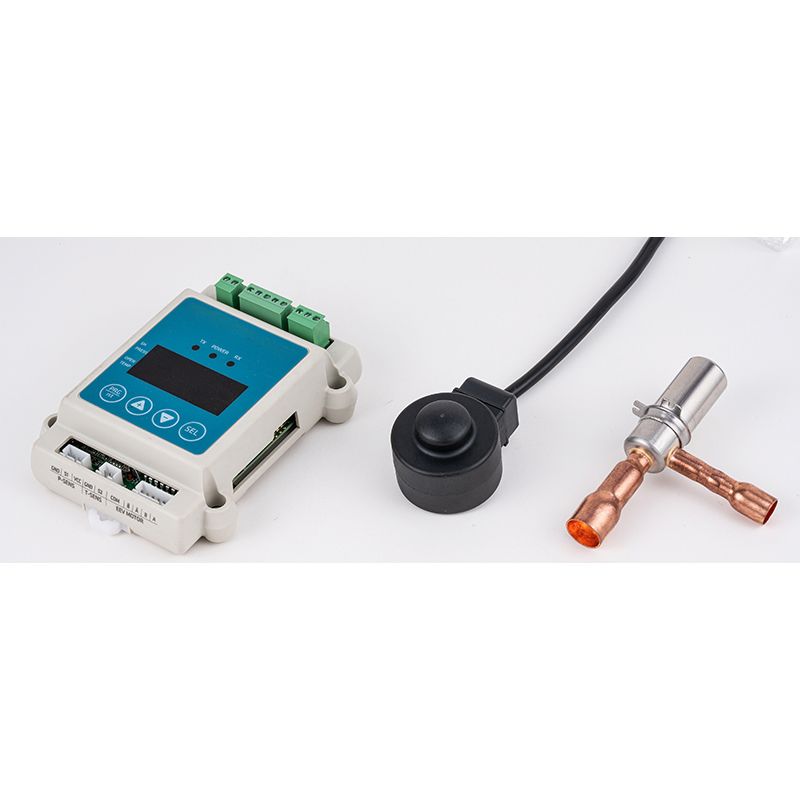
An Electronic Expansion Valve (EEV) is a precision device used in refrigeration and air-conditioning systems to regulate the flow of refrigerant into the evaporator. Unlike traditional thermostatic expansion valves (TXV), an electronic expansion valve uses electronic control signals to adjust the valve opening.
This allows the system controller to regulate refrigerant flow based on real-time operating conditions such as temperature, pressure, and superheat levels. As a result, EEVs provide significantly improved system efficiency and adaptability.
Many modern HVAC manufacturers rely on advanced valve technologies such as those developed by SANHENG to achieve higher levels of automation and energy efficiency.
Electronic expansion valves operate through a combination of sensors, controllers, and actuators. The system continuously monitors operating conditions and sends signals to adjust the valve opening accordingly.
This real-time control ensures the evaporator receives the exact amount of refrigerant needed for optimal heat transfer.
Traditional expansion valves rely on mechanical sensing and cannot respond as quickly to changing system conditions. Electronic expansion valves, however, offer precise digital control and adaptability.
| Feature | Electronic Expansion Valve | Thermostatic Expansion Valve |
|---|---|---|
| Control Method | Electronic signal control | Mechanical temperature sensing |
| Accuracy | Very high | Moderate |
| Energy Efficiency | Excellent | Average |
| Response Speed | Fast | Slow |
| Integration with Smart Systems | Fully compatible | Limited |
Because of these advantages, electronic expansion valves are becoming the preferred solution in modern refrigeration systems.
An electronic expansion valve system consists of several components that work together to regulate refrigerant flow.
Advanced manufacturers like SANHENG design these components with high precision to ensure reliability and long service life.
Electronic expansion valves bring a wide range of benefits to refrigeration and air-conditioning systems.
These benefits translate into lower operating costs and improved system performance, which is why electronic expansion valves are widely adopted in commercial refrigeration and industrial cooling systems.
Electronic expansion valves are used in a wide variety of refrigeration and HVAC applications.
These applications benefit from the precision control and efficiency improvements that EEVs provide.
Choosing the right electronic expansion valve requires evaluating several important factors.
For reliable performance, many engineers choose products from established manufacturers like SANHENG, which offer high-precision valves designed for modern refrigeration systems.
For detailed specifications, you can explore this product resource:
Electronic Expansion Valve Product Details
Proper installation and maintenance ensure optimal performance and long service life for electronic expansion valves.
As HVAC and refrigeration systems continue to evolve, electronic expansion valves will become even more advanced.
Manufacturers like SANHENG are continuously developing innovative valve technologies to meet the growing demand for smart refrigeration systems.
The primary function is to precisely regulate refrigerant flow into the evaporator to maintain optimal system efficiency and proper superheat levels.
Yes. Electronic expansion valves offer faster response times, higher precision, and improved energy efficiency compared to traditional thermostatic expansion valves.
They are widely used in commercial refrigeration systems, industrial chillers, air conditioning units, and heat pump applications.
Yes. They typically work with electronic controllers that process sensor data and send signals to adjust the valve opening.
With proper installation and maintenance, high-quality valves from manufacturers such as SANHENG can provide long service life and reliable performance.
Electronic Expansion Valves have become a key technology in modern refrigeration and HVAC systems. Their precise control, energy efficiency, and compatibility with smart control systems make them a superior alternative to traditional expansion valves. As industries demand higher efficiency and automation, electronic expansion valves will continue to play a vital role in the evolution of cooling technology.
If you are looking for high-performance electronic expansion valves for your refrigeration or HVAC applications, the professional solutions provided by SANHENG can help optimize your system performance and energy efficiency. For more product information, technical support, or customized valve solutions, feel free to contact us today.


