
Industrial refrigeration systems depend on stable refrigerant flow, pressure regulation, and reliable automatic control. A refrigeration unit industrial solenoid valve plays a critical role in ensuring system efficiency, energy savings, operational safety, and long-term durability. This article explores how these valves work, their benefits, applications, maintenance methods, and how to select the right model for industrial refrigeration environments.
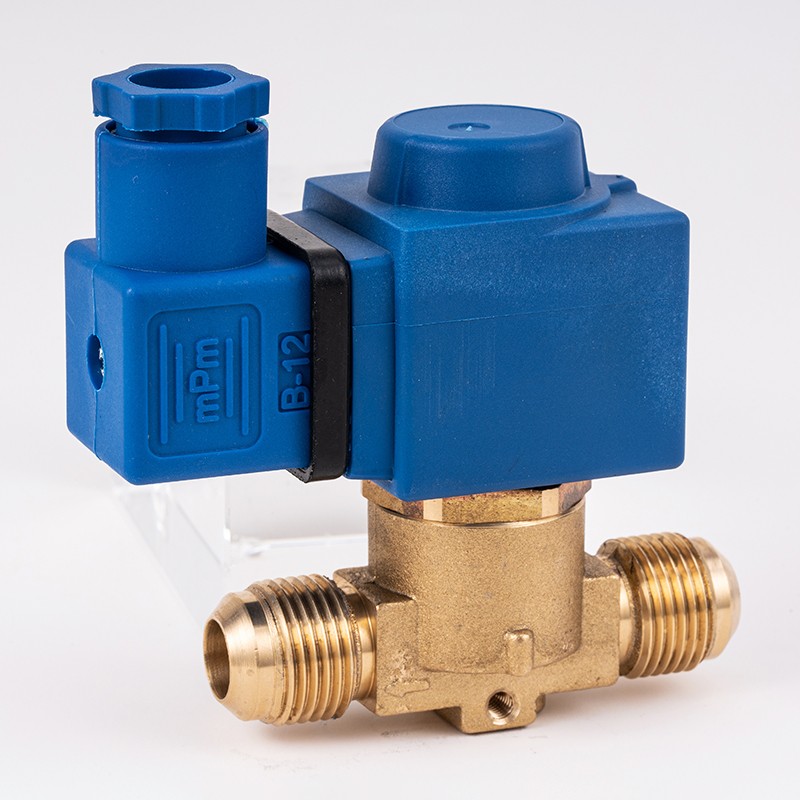
A refrigeration unit industrial solenoid valve is an electromechanical device designed to control the flow of refrigerant within cooling systems automatically. It operates using an electromagnetic coil that opens or closes the valve whenever electrical power is applied or removed.
These valves are widely used in commercial refrigeration systems, cold storage facilities, food processing plants, pharmaceutical manufacturing, industrial chillers, HVAC systems, and transportation refrigeration equipment.
Industrial solenoid valves help regulate refrigerant flow accurately, preventing excessive pressure buildup, liquid hammer, refrigerant leakage, and unstable temperature conditions.
The operation of a refrigeration solenoid valve relies on electromagnetic force. When electrical current passes through the coil, a magnetic field is generated. This magnetic field lifts or lowers the plunger inside the valve body, allowing or stopping refrigerant flow.
This automated control allows refrigeration systems to respond quickly to temperature changes, compressor cycles, and pressure conditions without manual intervention.
Refrigeration systems require stable and precise refrigerant management. Even small flow inconsistencies can lead to compressor damage, energy waste, or temperature instability.
| Function | Benefit |
|---|---|
| Automatic refrigerant control | Improves operational efficiency |
| Flow shut-off capability | Prevents refrigerant leakage |
| Pressure regulation | Protects compressors and pipelines |
| Temperature stabilization | Enhances product preservation |
| Remote automation support | Reduces labor requirements |
Without properly functioning solenoid valves, refrigeration systems may experience fluctuating temperatures, higher energy consumption, increased maintenance costs, and shorter equipment lifespan.
Understanding valve components helps buyers choose suitable products and simplify maintenance procedures.
| Component | Purpose |
|---|---|
| Coil | Creates electromagnetic force |
| Plunger | Controls opening and closing action |
| Valve Body | Contains refrigerant flow path |
| Spring | Returns valve to default position |
| Seal | Prevents refrigerant leakage |
High-quality materials such as stainless steel, forged brass, and advanced sealing compounds improve corrosion resistance and durability under extreme operating conditions.
Different refrigeration applications require different valve structures and operating methods.
Direct-acting valves are suitable for smaller systems with lower flow rates, while pilot-operated valves are ideal for large industrial refrigeration units requiring high-capacity refrigerant control.
Refrigeration unit industrial solenoid valves are used in a wide range of industries where temperature control is critical.
| Industry | Application |
|---|---|
| Food Processing | Cold storage and freezing systems |
| Pharmaceutical | Medicine preservation environments |
| Chemical Manufacturing | Process cooling systems |
| Commercial Buildings | HVAC and chiller systems |
| Marine Refrigeration | Shipboard cooling equipment |
| Logistics | Refrigerated transportation units |
Each application may require different refrigerants, operating pressures, and valve configurations.
Selecting the wrong valve can result in unstable operation, premature failure, and costly downtime. Buyers should evaluate multiple technical factors before purchasing.
Industrial users should also consider long-term reliability, maintenance accessibility, spare parts availability, and supplier technical support.
Proper installation significantly affects valve performance and operational lifespan.
Incorrect installation may lead to refrigerant leakage, overheating, pressure loss, or coil burnout.
Even high-quality refrigeration valves may encounter operational issues over time due to harsh industrial environments.
| Problem | Possible Cause | Solution |
|---|---|---|
| Valve not opening | Coil failure | Replace coil |
| Refrigerant leakage | Damaged seal | Replace sealing components |
| Valve overheating | Incorrect voltage | Check power supply |
| Unstable flow | Contaminated pipeline | Clean system filters |
| Loud vibration noise | Pressure fluctuation | Stabilize operating conditions |
Routine inspections and preventive maintenance can dramatically reduce unexpected shutdowns.
Preventive maintenance is one of the most effective ways to maximize refrigeration system reliability.
Maintenance schedules should be adjusted according to operating hours, refrigerant type, and environmental conditions.
Efficient refrigerant control directly impacts overall energy consumption in industrial refrigeration systems.
Advanced industrial solenoid valves help optimize compressor cycles, reduce unnecessary refrigerant circulation, and maintain accurate temperature control. This lowers electricity consumption and decreases operational expenses.
Businesses operating large-scale cold storage facilities often achieve substantial cost savings by upgrading outdated valves with modern high-performance designs.
Refrigeration technology continues evolving rapidly, especially in industrial automation and intelligent monitoring systems.
Manufacturers are increasingly focusing on automation compatibility, durability, and environmental performance to meet modern industrial demands.
Most industrial refrigeration solenoid valves are compatible with common refrigerants such as R22, R134a, R404A, R507, ammonia, and CO₂, depending on valve design and materials.
With proper installation and maintenance, industrial solenoid valves can operate reliably for many years in demanding refrigeration environments.
Common causes include coil burnout, contaminated refrigerant systems, improper voltage supply, seal damage, and excessive operating pressure.
Yes. Accurate refrigerant flow control helps optimize compressor performance and reduce unnecessary energy consumption.
Stainless steel valves generally provide better corrosion resistance and durability, especially in harsh industrial or marine environments.
Refrigeration unit industrial solenoid valves are essential components for modern refrigeration systems. Their ability to provide automatic refrigerant flow control improves operational reliability, reduces energy consumption, and protects critical refrigeration equipment from damage.
Whether used in cold storage warehouses, pharmaceutical production, food processing facilities, or industrial HVAC systems, selecting the right solenoid valve can significantly impact long-term system performance and maintenance costs.
Choosing reliable manufacturing partners is equally important. High-quality valves designed with durable materials and precise engineering can help industrial facilities maintain stable cooling performance under demanding operating conditions.
Ningbo Sanheng Refrigeration Automatic Control Components Co., Ltd. specializes in high-quality refrigeration control components designed for industrial cooling applications worldwide. Our professional team is committed to providing dependable products, technical support, and customized solutions for your refrigeration systems.
Contact us today to learn more about our industrial refrigeration solenoid valves and discover how we can support your business with efficient and reliable cooling control solutions.


