The electronic expansion valve (often abbreviated as EEV) is one of the most critical components in modern refrigeration and air conditioning systems. It precisely regulates refrigerant flow, ensuring optimal cooling performance, energy efficiency, and system stability. This article provides a complete guide to understanding how an electronic expansion valve works, its structure, types, applications, advantages, common issues, and maintenance methods. It also helps engineers, technicians, and equipment buyers make informed decisions when selecting or troubleshooting EEV systems.
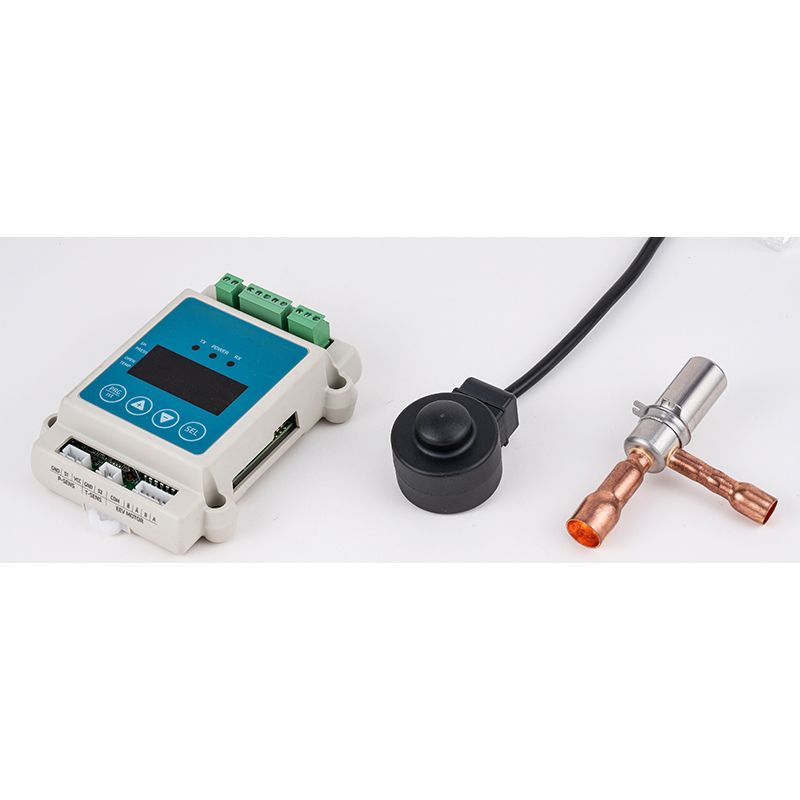
1. Introduction to Electronic Expansion Valve
An electronic expansion valve is a precision control device used in refrigeration and air conditioning systems to regulate the amount of refrigerant entering the evaporator. Unlike traditional mechanical valves, it uses electronic signals and sensors to dynamically adjust refrigerant flow in real time.
In modern cooling systems, stability and energy efficiency are essential. The electronic expansion valve plays a central role in achieving both by maintaining optimal superheat levels and preventing liquid refrigerant from entering the compressor.
As HVAC systems become more advanced, the demand for accurate flow control has increased significantly. This is where the electronic expansion valve has become indispensable in industries ranging from commercial refrigeration to industrial chillers.
2. Working Principle
The working principle of an electronic expansion valve is based on real-time feedback control. It receives signals from temperature and pressure sensors and adjusts the valve opening accordingly.
The system generally works in the following steps:
-
Sensors measure evaporator outlet temperature and pressure.
-
The controller calculates the superheat value.
-
The control unit sends electrical pulses to the valve actuator.
-
The valve adjusts its opening degree to regulate refrigerant flow.
This continuous adjustment ensures that the evaporator operates at maximum efficiency while preventing compressor damage due to liquid slugging.
3. Main Components
An electronic expansion valve system consists of several key components working together:
-
Valve Body: The main structure where refrigerant flow is controlled.
-
Stepper Motor: Provides precise mechanical movement.
-
Needle or Piston: Regulates refrigerant passage.
-
Controller: Processes sensor data and sends control signals.
-
Sensors: Measure temperature and pressure in real time.
Each component plays a vital role in ensuring accurate and stable system operation.
4. Types of Electronic Expansion Valves
|
Type
|
Description
|
Application
|
|
Stepper Motor EEV
|
Uses step-by-step motor control for high precision
|
Precision HVAC systems
|
|
Pulse Width Modulated Valve
|
Controls flow via pulse signals
|
Medium-scale refrigeration systems
|
|
Analog Controlled Valve
|
Uses continuous analog signals
|
Industrial cooling systems
|
Each type is designed for specific performance needs, balancing cost, precision, and durability.
5. Applications Across Industries
Electronic expansion valves are widely used in various industries due to their precision and reliability:
-
Commercial air conditioning systems
-
Cold storage warehouses
-
Supermarket refrigeration units
-
Heat pump systems
-
Industrial chillers
-
Data center cooling systems
Their ability to maintain stable cooling performance makes them essential in environments where temperature control is critical.
6. Key Advantages
The adoption of electronic expansion valves brings several important benefits:
-
Improved energy efficiency
-
Precise refrigerant flow control
-
Enhanced system stability
-
Reduced compressor wear
-
Better performance under varying load conditions
Compared to mechanical expansion devices, EEVs significantly improve overall system performance and reliability.
7. How to Select the Right Valve
Choosing the correct electronic expansion valve requires careful evaluation of system requirements:
-
Refrigerant type compatibility
-
Cooling capacity requirements
-
Operating pressure range
-
Control system compatibility
-
Environmental conditions
A proper selection ensures optimal performance and long-term system stability.
8. Installation Considerations
Correct installation is essential for ensuring efficient operation of an electronic expansion valve:
-
Install the valve close to the evaporator inlet
-
Avoid exposure to excessive vibration
-
Ensure proper insulation of sensor lines
-
Verify electrical connections before system startup
Improper installation can lead to unstable system behavior or reduced efficiency.
9. Common Problems & Troubleshooting
|
Issue
|
Possible Cause
|
Solution
|
|
Unstable cooling
|
Incorrect sensor reading
|
Calibrate sensors
|
|
Valve not responding
|
Electrical failure
|
Check wiring and controller
|
|
Excessive superheat
|
Restricted flow
|
Inspect valve blockage
|
10. Maintenance Guidelines
Regular maintenance helps extend the lifespan of electronic expansion valves:
-
Inspect electrical connections periodically
-
Clean refrigerant lines to prevent blockage
-
Check sensor accuracy regularly
-
Monitor system performance data
Preventive maintenance reduces downtime and improves operational efficiency.
11. EEV vs Thermal Expansion Valve
|
Feature
|
Electronic Expansion Valve
|
Thermal Expansion Valve
|
|
Control Method
|
Electronic sensor-based
|
Mechanical temperature sensing
|
|
Precision
|
High
|
Moderate
|
|
Energy Efficiency
|
Excellent
|
Good
|
|
Cost
|
Higher
|
Lower
|
Although thermal expansion valves are more economical, electronic expansion valves offer superior performance and control accuracy.
12. Frequently Asked Questions
Q1: What is the main function of an electronic expansion valve?
It regulates refrigerant flow into the evaporator for optimal cooling efficiency.
Q2: Where are electronic expansion valves commonly used?
They are widely used in HVAC systems, cold storage, and industrial refrigeration.
Q3: Are electronic expansion valves better than mechanical ones?
Yes, they provide higher precision, better efficiency, and improved system control.
Q4: How long does an electronic expansion valve last?
With proper maintenance, it can last many years depending on operating conditions.
Conclusion
The electronic expansion valve is a cornerstone of modern refrigeration and air conditioning technology. Its ability to precisely control refrigerant flow ensures stable performance, energy efficiency, and long-term system reliability. As industries continue to demand smarter and more efficient cooling solutions, EEV technology will remain essential.
For high-quality refrigeration control components and professional technical support, Ningbo Sanheng Refrigeration Automatic Control Components Co., Ltd. provides reliable solutions designed to meet global industrial standards.
If you are looking for stable performance, advanced control technology, and long-term reliability, feel free to contact us for more product information and customized solutions tailored to your system needs.


