

The thermal expansion valve in the central air-conditioning unit is a key component that can adjust the refrigerant flow to ensure the normal operation of the system. When a failure occurs, it will affect the cooling effect and increase energy consumption. The causes of failure of the thermal expansion valve include blockage, air leakage and spring failure. The replacement steps include closing the valve, removing the old valve, installing the new valve, detecting leaks and opening the valve. Maintenance methods include regular inspection and cleaning.

The expansion valve is a critical component in any HVAC (Heating, Ventilation, and Air Conditioning) system, controlling the amount of refrigerant entering the evaporator, thereby influencing the system’s cooling performance.

Solenoid valves are widely used in various industries for controlling the flow of liquids and gases in automated systems.

Generally speaking, expansion valves are used in refrigeration systems. So can refrigeration be performed without an expansion valve? The answer is that it is possible, but it is not the best choice.
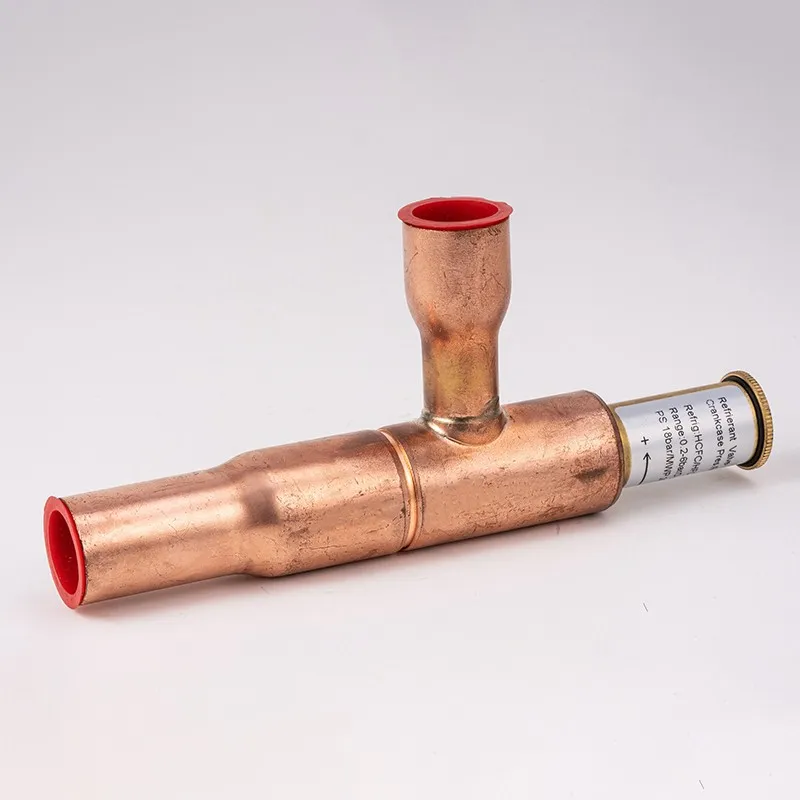
When a pressure regulator fails, several potential issues can arise, depending on the nature of the failure and the type of system in which the regulator is used.
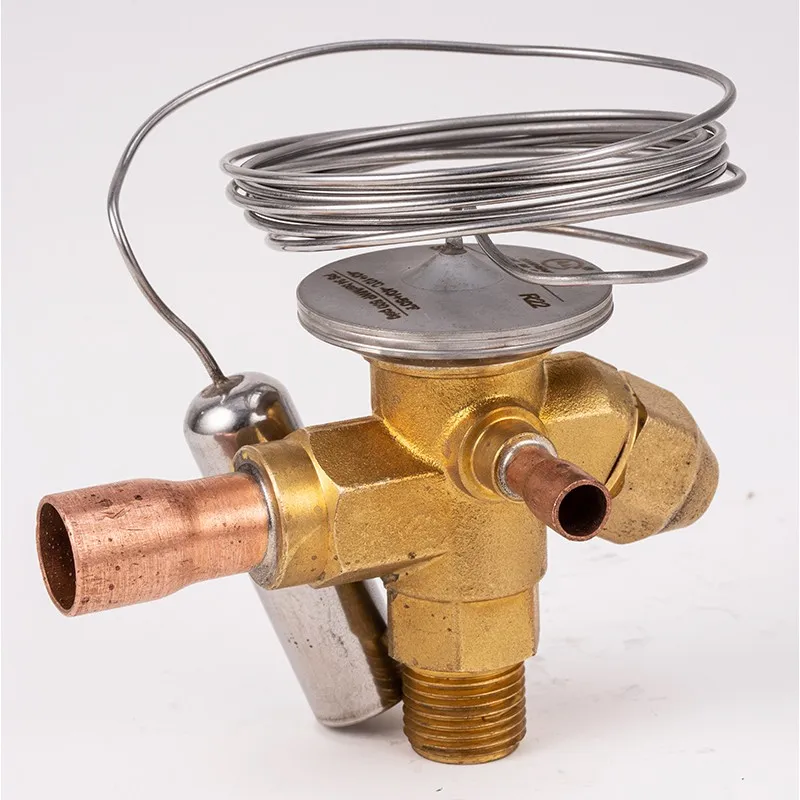
The main functions of air conditioning expansion valves include regulating flow, controlling over heat, throwing downstreaming and controlling evaporation levels.


